

In today’s complex labor environment, safeguarding workers’ health and ensuring employer compliance is more important than ever. One of the most significant pillars supporting workplace safety in Italy is INAIL—Istituto Nazionale per l’Assicurazione contro gli Infortuni sul Lavoro.
INAIL is a public, state-managed insurance institution responsible for providing mandatory coverage against workplace accidents and occupational diseases for millions of workers across Italy. But INAIL is much more than just an insurer — it’s a research hub, rehabilitation provider, safety promoter, and key legal entity in the Italian labor system.
In this comprehensive guide, we’ll unpack everything you need to know about INAIL: its history, mission, services, how it works, and why it matters—especially if you’re a worker, employer, or safety professional in Italy.
What Is INAIL? Understanding Italy’s National Institute for Insurance Against Workplace Accidents
What Does “INAIL” Stand For?
INAIL stands for “Istituto Nazionale per l’Assicurazione contro gli Infortuni sul Lavoro”, or National Institute for Insurance against Accidents at Work in English. It is a non-economic public body under the supervision of the Italian Ministry of Labour and Social Policies. INAIL plays a central role in the Italian social security system, with legal authority over workplace injury and disease insurance.
Quote:
“INAIL is the institution that guarantees workers protection in case of accidents or professional diseases and promotes health and safety in workplaces.”
— Italian Ministry of Labour
A Brief History of INAIL
The origins of INAIL go back to 1933, when the Italian government merged various smaller accident insurance institutions into a single, centralized body. Originally called INFAIL, it was rebranded INAIL after a series of labor reforms. Its foundation marked a pivotal shift in labor protections in Italy.
Over the decades, INAIL has:
- Expanded its insurance coverage to include domestic workers, artisans, and more recently, freelancers and journalists.
- Taken on new roles in accident prevention, scientific research, and rehabilitation services.
- Invested in prosthetics innovation such as Hannes, a robotic hand developed in collaboration with the Italian Institute of Technology.
Today, INAIL serves as one of the most advanced accident insurance and workplace safety systems in Europe.
Is INAIL a Government Agency?
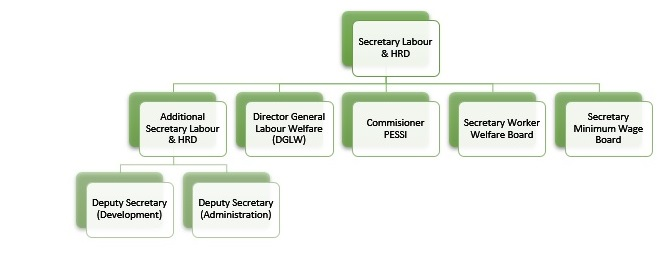
While INAIL is not technically a ministry, it is a public entity governed by law. It operates independently but under ministerial oversight, particularly the Ministry of Labour and Social Policies. Its funding comes primarily from insurance premiums paid by employers, not from general taxation.
This structure allows INAIL to function with technical and accounting autonomy, giving it flexibility to manage funds, invest in research, and offer targeted safety programs across various sectors.
Core Legal Framework Behind INAIL
INAIL operates under several key legislative frameworks:
| Law | Purpose |
|---|---|
| Presidential Decree No. 1124/1965 | Codifies compulsory insurance for work injuries and occupational diseases |
| Law No. 67/1988 | Establishes INAIL’s role in medical rehabilitation and reintegration |
| Legislative Decree 38/2000 | Extends INAIL’s role into risk assessment and prevention |
| Legislative Decree 81/2008 | Comprehensive law on health and safety at work (INAIL as a contributor) |
This legal foundation not only empowers INAIL to enforce workplace safety laws but also gives it inspection and auditing capabilities, much like labor inspectorates in other countries.
Why INAIL Matters Today
INAIL is not just an insurer. It’s part of a larger system that:
- Protects over 20 million workers in Italy.
- Offers preventive training and funding to reduce workplace hazards.
- Provides rehabilitation and prosthetics to injured workers.
- Collects data and research to guide national labor policy.
INAIL helps balance the needs of productivity and worker welfare, making it indispensable to Italy’s economy and labor rights.
✅ Answer Engine Optimization – FAQs
Q: Is INAIL a public or private institution?
A: INAIL is a public legal entity governed by Italian labor law. It is not a private insurance company.
Q: Does INAIL cover self-employed workers?
A: In many cases, yes. Certain self-employed professionals like artisans, freelancers, and domestic workers are required to register with INAIL.
Q: Is INAIL insurance mandatory?
A: Yes. All Italian employers are legally required to enroll their workers in INAIL insurance.
What Does INAIL Do? Core Responsibilities and Services
INAIL’s mandate goes far beyond just collecting insurance premiums and paying out benefits. Its functions encompass insurance coverage, prevention, research, rehabilitation, and legal enforcement — all aimed at protecting workers and improving workplace safety throughout Italy.
Let’s explore these core responsibilities in detail:
Insurance Services Provided by INAIL
At its heart, INAIL provides compulsory insurance coverage for workers who suffer from accidents at work or develop occupational diseases. This insurance guarantees financial and medical support to employees who experience work-related injuries or illnesses.
- Who is Covered?
INAIL’s coverage includes:- Employees in private and public sectors
- Artisans and small business owners
- Domestic workers
- Freelancers and journalists (recently included)
- Volunteers in certain sectors
This wide coverage reflects the Italian government’s goal to protect the entire working population from workplace risks.
- What is Covered?
INAIL insurance protects workers from:- Accidents occurring during work or commuting
- Occupational diseases caused by exposure to hazardous substances or conditions
- Psychological injuries related to work (in specific cases)
- Economic Benefits:
Workers insured by INAIL can receive:- Medical treatment and rehabilitation expenses fully covered
- Disability compensation for temporary or permanent impairments
- Indemnities for loss of income during sick leave
- Survivors’ benefits for families of workers who die due to workplace accidents
Prevention, Research, and Rehabilitation
INAIL is a leading institution in workplace accident prevention and safety promotion, actively investing in initiatives designed to reduce accidents and diseases.
- Prevention Programs:
INAIL runs educational campaigns, workshops, and training programs focused on:- Safe working practices
- Risk assessment
- Compliance with health and safety regulations
- Research and Innovation:
INAIL supports scientific research on:- New protective technologies
- Innovative medical treatments
- Robotics and prosthetics for injured workers
- Rehabilitation Services:
INAIL offers a full rehabilitation pathway, including:- Medical care and physical therapy
- Prosthetic devices and assistive technologies
- Psychological support and social reintegration programs
This comprehensive support aims to help injured workers return to active life and employment, whenever possible.
Legal Authority and Regulatory Role
INAIL holds significant legal authority within Italy’s workplace safety framework:
- Monopoly Insurance Provider:
By law, INAIL is the sole body authorized to provide mandatory insurance against workplace injuries. This monopoly ensures standardized coverage and consistent benefits nationwide. - Inspection and Enforcement Powers:
While INAIL is primarily an insurer, it collaborates closely with labor inspectorates. It:- Audits employer compliance with insurance obligations
- Investigates accident causes
- Applies penalties or sanctions for non-compliance
- Collaboration with Other Bodies:
INAIL works with:- The Ministry of Labour and Social Policies
- Regional health authorities
- Employers’ associations
- Trade unions
Together, these entities create a coordinated system to improve workplace safety and enforce regulations.
Summary Table: INAIL’s Core Functions
| Core Function | Description |
|---|---|
| Insurance Coverage | Mandatory insurance for workplace accidents and occupational diseases |
| Accident & Disease Claims | Processing and compensation of claims for injured workers |
| Prevention Programs | Training, risk assessments, safety awareness campaigns |
| Research & Innovation | Development of new safety technologies and rehabilitation methods |
| Rehabilitation Services | Medical, physical, and psychological rehabilitation for injured workers |
| Legal Enforcement | Monitoring compliance, inspections, and sanctioning non-compliant employers |
Case Study: How INAIL Supports Workers After Accidents
Giulia, a factory worker in Milan, suffered a serious hand injury on the job. Thanks to INAIL:
- Her medical expenses were fully covered, including surgery and therapy.
- She received a state-of-the-art prosthetic hand developed with INAIL funding.
- She took part in a vocational reintegration program helping her return to work.
- Her employer was audited to ensure safety compliance and avoid future accidents.
This example highlights the holistic approach INAIL takes to worker protection—combining insurance, medical care, and prevention.
✅ Answer Engine Optimization – FAQs
Q: What types of injuries does INAIL insurance cover?
A: INAIL covers workplace accidents, commuting accidents, and occupational diseases as defined by Italian law.
Q: Does INAIL provide rehabilitation services?
A: Yes. INAIL offers medical, physical, and psychological rehabilitation, including advanced prosthetics.
Q: Can employers be penalized for not paying INAIL premiums?
A: Yes. Employers failing to comply face inspections and potential fines from INAIL and labor authorities.
Q: How does INAIL promote workplace safety?
A: Through training programs, safety campaigns, research projects, and funding for preventive measures.
How Does INAIL Work? Processes, Procedures, and Responsibilities
Understanding how INAIL functions day-to-day is essential for both workers and employers. From registration and reporting accidents to claims processing and compliance checks, INAIL operates a structured system designed to protect rights and enforce safety regulations effectively.
Registration and Insurance Enrollment
Employers in Italy are legally obligated to register their workplaces with INAIL and pay insurance premiums based on the risk profile of their business sector.
- Who Must Register?
All employers with workers under contract, including:- Companies of all sizes
- Artisans and self-employed workers in certain categories
- Domestic workers (through special registration)
- How Is the Premium Calculated?
INAIL uses a risk classification system that assigns each industry a risk class. The premium depends on:- Number of employees
- Industry risk category
- Total payroll amount
This incentivizes safer industries with lower premiums, encouraging risk reduction.
- Registration Procedure:
Employers register online via the official INAIL portal or through authorized intermediaries. Upon registration, employers receive an insurance policy number.
Reporting Workplace Accidents and Occupational Diseases
When an accident or occupational disease occurs, both the worker and employer have clear responsibilities:
- Employer Responsibilities:
- Report any workplace accident resulting in injury within 2 working days to INAIL.
- Provide initial medical assistance and facilitate treatment.
- Maintain detailed records and cooperate with any investigation.
- Worker Responsibilities:
- Notify the employer promptly of any injury or disease.
- Submit medical certificates as required.
- File a claim with INAIL if seeking compensation.
Failure to report accidents promptly can lead to penalties and jeopardize insurance claims.
Claims Submission and Evaluation
Once a claim is filed, INAIL follows a thorough evaluation process:
- Initial Claim Review:
INAIL verifies the accident details, employer registration status, and medical documentation. - Medical Assessment:
INAIL’s medical experts review injury severity and causal links to the workplace. - Decision and Compensation:
If approved, INAIL calculates:- Temporary disability indemnities
- Permanent disability compensation
- Medical expense reimbursements
- Survivors’ benefits, if applicable
- Appeals:
Claimants can appeal INAIL’s decisions within legal deadlines if they disagree.
Inspections and Compliance Monitoring
INAIL collaborates with labor inspectors to ensure employers respect safety rules and pay insurance contributions:
- Random and Targeted Inspections:
INAIL may conduct audits based on accident rates, complaints, or industry risk. - Penalties for Non-Compliance:
Employers who evade insurance payments or violate safety laws face:- Fines and administrative sanctions
- Potential criminal charges in severe cases
- Mandated corrective actions to improve safety
This enforcement mechanism helps maintain a safer working environment.
Prevention and Training Obligations
INAIL encourages and sometimes requires employers to invest in workplace safety training and risk assessment:
- Employers can apply for INAIL grants to fund safety improvements and training programs.
- INAIL provides guidelines and best practices for risk management.
- Participation in prevention programs can reduce future premiums.
Summary: INAIL Workflow Overview
| Process Step | Description |
|---|---|
| Registration | Employer registers workplace and pays insurance premium |
| Accident Reporting | Employer reports accidents within 2 days; worker notifies employer |
| Claim Filing | Worker or employer submits claim for injury or occupational disease |
| Medical Evaluation | INAIL medical team assesses injury and causal connection |
| Compensation Payment | INAIL approves and pays indemnities and medical costs |
| Inspection & Enforcement | INAIL audits compliance and enforces penalties for violations |
| Prevention & Training | INAIL supports safety training and improvement programs |
Real-World Example: Reporting and Claim Process
Marco, employed at a construction company, slipped on-site and fractured his ankle. His employer immediately:
- Reported the injury to INAIL within 2 days.
- Helped Marco access medical care.
- Assisted him in filing the compensation claim.
INAIL’s medical team confirmed the injury was work-related. Marco received temporary disability payments and rehabilitation services while recovering.
✅ Answer Engine Optimization – FAQs
Q: How soon must employers report accidents to INAIL?
A: Employers must report accidents causing injury within 2 working days.
Q: Can workers file a claim directly with INAIL?
A: Yes, workers can submit claims, but typically employers assist in the process.
Q: What happens if an employer doesn’t pay INAIL premiums?
A: INAIL can impose fines, stop insurance coverage, and pursue legal action.
Q: Are employers required to provide safety training funded by INAIL?
A: While not always mandatory, INAIL encourages training and offers grants to support it.
Who Should Register with INAIL? Coverage, Exceptions, and Eligibility
INAIL’s insurance system covers a broad range of workers and employers, but not everyone is required to register. Understanding who must register, who is exempt, and how coverage applies helps clarify responsibilities and ensures legal compliance.
Who Is Legally Required to Register with INAIL?
INAIL mandates registration for most employers and workers exposed to workplace risks. The main categories include:
- Private Sector Employers:
All businesses with employees, regardless of size or industry, must register and insure their workforce against workplace accidents and occupational diseases. - Artisans and Small Business Owners:
Self-employed individuals who work in artisan trades or small-scale business activities must register with INAIL if their work exposes them to specific risks. - Domestic Workers:
Employers who hire domestic workers (housekeepers, caregivers, babysitters) must register these workers with INAIL. - Freelancers and Special Categories:
Recent expansions have included certain freelance professionals like journalists and artists under INAIL insurance requirements. - Volunteers in Certain Sectors:
Volunteers working in healthcare, civil protection, or social assistance may also be covered.
Who Is Exempt from INAIL Registration?
Some workers and employers are exempt from INAIL insurance by law, such as:
- Public Sector Employees:
Many government workers are covered under separate public insurance schemes, not INAIL. - Certain Self-Employed Professionals:
Professions like lawyers, accountants, and doctors typically have different insurance systems. - Temporary or Casual Workers in Some Cases:
Workers employed for very short durations under specific contracts might not require registration, though this varies. - Agricultural Workers:
Agricultural laborers have a specialized insurance system separate from INAIL.
How Does INAIL Coverage Work for Different Employment Types?
| Worker Type | INAIL Registration Required? | Notes |
|---|---|---|
| Employees (private/public) | Yes | Mandatory insurance for workplace accidents |
| Artisans/Self-employed | Yes, if exposed to risks | Must register based on activity type |
| Domestic Workers | Yes | Employers must insure domestic workers |
| Freelancers | Partially | Some categories, e.g., journalists, recently included |
| Public Sector Workers | No | Covered by other government insurance programs |
| Agricultural Workers | No | Covered by separate agricultural insurance |
| Temporary/Casual Workers | Varies | Depends on contract type and duration |
How to Check If You Should Register
Employers and workers unsure about their registration requirements can:
- Visit the official INAIL website for detailed guidance.
- Consult labor unions or employer associations.
- Contact INAIL directly via help desks or online services.
Proper registration avoids legal penalties and guarantees protection if accidents occur.
Consequences of Not Registering
Failing to register with INAIL when required can lead to:
- Heavy fines and sanctions for employers.
- No insurance coverage for injured workers, potentially resulting in personal financial loss.
- Legal liability for employers if accidents occur without insurance.
Therefore, registration is both a legal duty and a key protection mechanism.
INAIL Registration Process for Employers
The process typically involves:
- Online Registration: Through INAIL’s official portal or via accredited intermediaries.
- Submitting Required Documents: Business registration, employee details, and payroll information.
- Receiving Insurance Policy Number: Confirmation of registration and insurance coverage.
- Regular Payment of Premiums: Based on payroll and risk classification.
Summary: Who Must Register with INAIL?
- Most employers with employees must register and insure their workforce.
- Certain self-employed and freelance workers are also required to register.
- Some categories like public workers or agricultural laborers have separate systems.
- Registration ensures legal compliance, access to benefits, and workplace protection.
✅ Answer Engine Optimization – FAQs
Q: Are all Italian employers required to register with INAIL?
A: Yes, except for specific exemptions such as many public sector jobs and agriculture.
Q: Do freelancers have to register with INAIL?
A: Some freelancers, like journalists and artists, must register. Others may not.
Q: What happens if an employer does not register workers with INAIL?
A: Employers face fines, sanctions, and legal liability for uninsured workplace injuries.
Q: How can I find out if my job requires INAIL registration?
A: Consult the INAIL website, contact INAIL directly, or ask labor unions for guidance.
How to Apply for INAIL Benefits: Step-by-Step Guide
If you’ve suffered a workplace accident or developed an occupational disease, applying for INAIL benefits can seem complex. However, understanding the process clearly helps ensure you receive the compensation and support you’re entitled to.
This step-by-step guide will walk you through the entire application process—from reporting the accident to receiving benefits.
Step 1: Report the Accident or Occupational Disease
- Employer’s Role:
Within 2 working days of the accident, the employer must report the incident to INAIL using the official online reporting system or paper forms. This report includes details about the worker, accident circumstances, and medical care provided. - Worker’s Role:
The injured worker should promptly inform the employer of the injury or disease and submit all relevant medical certificates. In some cases, the worker can also notify INAIL directly.
Step 2: Gather Medical Documentation
- Obtain and keep copies of all medical reports, hospital discharge papers, and specialist evaluations related to the injury or disease.
- Make sure medical certificates clearly indicate the diagnosis, date of injury, prognosis, and any limitations or disabilities caused.
Step 3: Submit the INAIL Claim
- The worker or their representative files a formal claim with INAIL, either online or via authorized intermediaries.
- The claim form includes:
- Personal and employment details
- Description of the accident or occupational disease
- Medical documentation
- Employer’s accident report (if applicable)
Step 4: INAIL Medical Evaluation
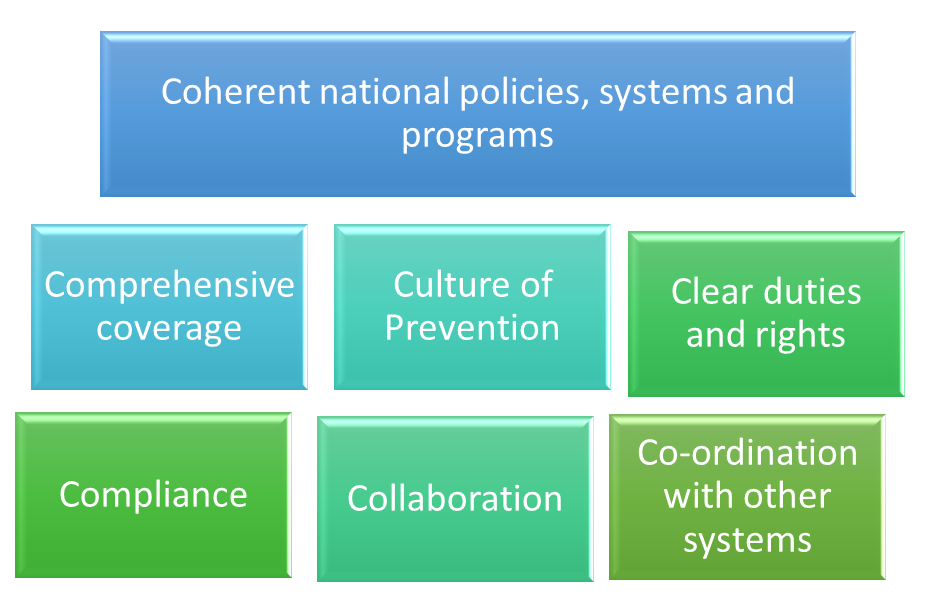
- INAIL’s medical commission reviews the claim, verifying:
- Whether the injury/disease is work-related
- The extent of temporary or permanent disability
- Medical treatments required
- In some cases, INAIL may call the worker for a medical examination or request additional documentation.
Step 5: Claim Approval and Benefit Calculation
- Upon approval, INAIL calculates compensation based on:
- Severity of injury
- Degree of permanent disability (expressed as a percentage)
- Duration of temporary disability
- Medical expenses incurred
- Applicable legal rates and tables
- Benefits can include:
- Temporary disability indemnity: Paid during recovery period.
- Permanent disability compensation: Lump sum or ongoing payments for lasting impairments.
- Medical treatment coverage: All expenses related to recovery.
- Survivors’ pensions: For family members in case of fatal accidents.
Step 6: Receive Benefits and Rehabilitation Support
- Payments are made directly to the worker or their legal representative.
- INAIL also provides rehabilitation services including physical therapy, prosthetics, and vocational reintegration assistance.
Step 7: Appeals Process (If Needed)
- If the claim is rejected or compensation is disputed, workers have the right to appeal INAIL’s decision.
- Appeals must be submitted within 90 days of notification.
- Legal and union assistance is often recommended during this phase.
Important Tips for a Successful Application
- Report promptly: Timely reporting is critical to avoid claim denial.
- Keep thorough documentation: Medical records and accident details support your claim.
- Seek professional help: Legal advisors, union representatives, or occupational health experts can guide you.
- Understand deadlines: Missing deadlines for reports or appeals can jeopardize your benefits.
Summary Table: INAIL Benefits Application Timeline
| Step | Timeframe | Key Action |
|---|---|---|
| Accident Occurs | Day 0 | Injury happens |
| Employer Reports Accident | Within 2 working days | Employer notifies INAIL |
| Worker Files Claim | As soon as possible after injury | Submit claim and medical docs |
| INAIL Medical Evaluation | Weeks to months | Review and possible examination |
| Claim Decision | Varies (typically within 60 days) | Approval or rejection notification |
| Benefit Payment | After approval | Compensation and rehabilitation |
| Appeals | Within 90 days of decision | File appeal if needed |
Common Challenges and How to Navigate INAIL Procedures
Interacting with INAIL can sometimes be complex, especially for first-time claimants or employers unfamiliar with the system. Understanding common hurdles and learning strategies to overcome them helps ensure a smoother experience.
1. Delays in Claim Processing
Challenge:
INAIL claim evaluations and decisions can sometimes take several weeks or months, causing financial and emotional strain on injured workers.
Tips to Navigate:
- Submit complete documentation: Incomplete claims lead to delays. Ensure all medical reports and forms are thorough and accurate.
- Follow up regularly: Use INAIL’s online portal or helpline to check claim status.
- Seek professional assistance: Labor unions, legal advisors, or occupational health consultants can expedite communication.
2. Disputes Over Work-Relatedness
Challenge:
INAIL may dispute whether the injury or disease is related to work, leading to claim denials.
Tips to Navigate:
- Collect detailed accident reports: Include witness statements, photographs, and workplace risk assessments.
- Provide comprehensive medical opinions: Specialist reports linking the condition to work are vital.
- Use appeals: Don’t hesitate to file an appeal if initial decisions deny causality.
3. Difficulty Understanding Procedures
Challenge:
INAIL’s legal and bureaucratic language can be confusing, especially for non-experts or foreign workers.
Tips to Navigate:
- Consult official guides: INAIL provides clear, downloadable manuals and FAQs on their website.
- Attend informational sessions: Some unions and workplaces offer training on INAIL procedures.
- Request help from intermediaries: Accredited intermediaries, such as insurance brokers or legal reps, can assist in paperwork and communication.
4. Issues with Employer Compliance
Challenge:
Some employers may delay accident reporting or fail to register workers with INAIL, complicating claims.
Tips to Navigate:
- Document communications: Keep records of notifying your employer about accidents.
- Report directly to INAIL: If the employer fails to report, the worker can notify INAIL themselves.
- Inform labor authorities: If non-compliance persists, contact labor inspection offices or unions for intervention.
5. Challenges in Accessing Rehabilitation and Support Services
Challenge:
Workers sometimes face difficulties receiving timely rehabilitation or vocational reintegration services.
Tips to Navigate:
- Request services proactively: Ask INAIL case managers about available rehabilitation programs.
- Engage healthcare providers: Ensure doctors submit required reports supporting rehabilitation needs.
- Appeal if necessary: Delays or denials of rehabilitation services can be challenged through INAIL’s appeal system.
Case Study: Overcoming a Denied Claim
Maria, a factory worker, suffered a respiratory illness she believed was caused by workplace exposure. Initially, INAIL denied her claim citing insufficient proof of causation.
- Maria gathered additional medical reports from specialists confirming the occupational origin.
- She submitted a detailed workplace risk assessment from a union representative.
- With legal advice, Maria filed a formal appeal.
- After review, INAIL approved her claim and provided compensation and medical coverage.
Summary: Key Strategies for Smooth INAIL Procedures
| Challenge | Strategy to Overcome |
|---|---|
| Claim processing delays | Submit complete docs; follow up regularly |
| Disputes on work-relatedness | Gather detailed evidence; use appeals |
| Complex procedures | Use official guides; seek intermediaries |
| Employer non-compliance | Report directly to INAIL; involve labor authorities |
| Accessing rehabilitation | Proactively request services; appeal denials |
INAIL’s Role in Workplace Safety and Prevention
INAIL isn’t just a compensation agency; it plays a crucial role in preventing workplace accidents and promoting a culture of safety across Italy’s industries. Its preventive functions benefit both employers and workers by reducing risks and improving working conditions.
Why Prevention Matters
Workplace accidents and occupational diseases cause significant human suffering and economic losses. INAIL’s prevention efforts aim to:
- Reduce the frequency and severity of accidents
- Lower insurance premiums by decreasing risk
- Enhance productivity through safer workplaces
- Comply with European and national safety regulations
Key Prevention Activities by INAIL
- Risk Assessment and Management Support INAIL provides tools, guidelines, and consultations to help employers identify and mitigate workplace hazards. This includes:
- Detailed risk assessment frameworks tailored to various industries.
- Assistance in drafting Risk Prevention Plans (DVR – Documento di Valutazione dei Rischi), which are legally required.
- Funding Safety Projects INAIL offers financial incentives and grants to employers investing in workplace safety, such as:
- Purchase of safer machinery and equipment.
- Implementation of new safety technologies.
- Training and education programs for workers.
- Training and Awareness Programs INAIL conducts and sponsors training sessions, workshops, and campaigns on:
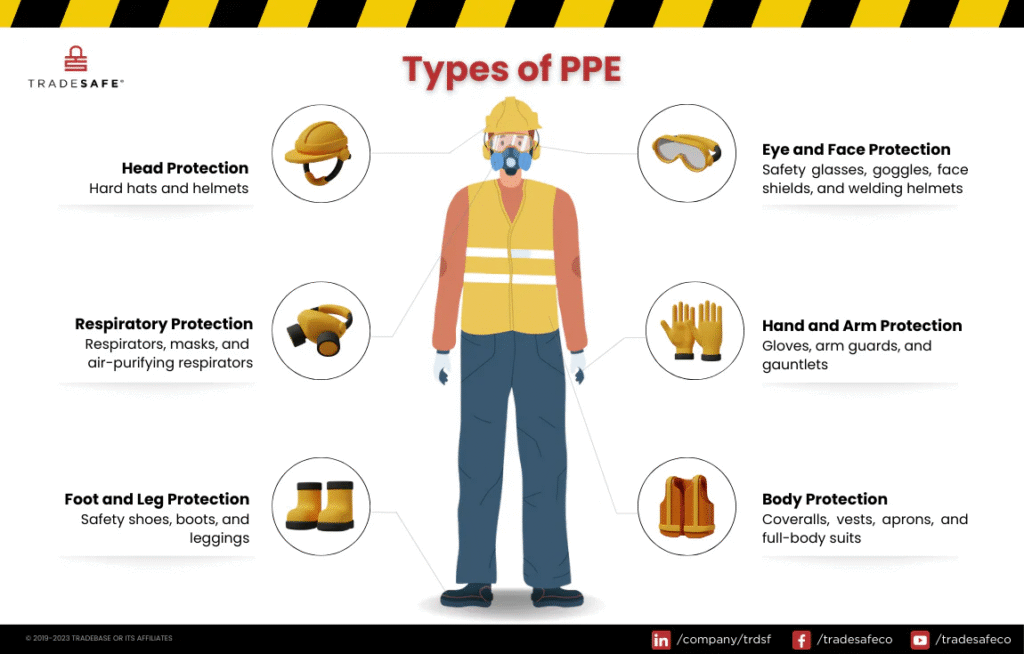
- Proper use of personal protective equipment (PPE).
- Safe work practices.
- Emergency preparedness and first aid.
- Research and Innovation INAIL invests in research to develop innovative safety solutions, including:
- Studies on occupational diseases.
- Development of ergonomic tools.
- Technology to monitor hazardous environments.
- Collaboration with Stakeholders INAIL works closely with:
- Government agencies.
- Labor unions.
- Employer associations.
- Academic institutions.
This collaboration ensures comprehensive strategies for safety improvement.
Impact of INAIL’s Prevention Programs
- Decrease in Accident Rates:
Over the last decade, Italy has seen a measurable reduction in workplace accidents partly due to INAIL’s preventive efforts. - Economic Savings:
Fewer accidents lead to lower compensation payouts and reduced business disruption. - Safer Work Environments:
Companies that participate in INAIL-funded programs often report improved morale and productivity.
How Employers Can Benefit from INAIL Prevention Initiatives
| Initiative | Benefit |
|---|---|
| Risk assessment assistance | Identifies hazards before accidents happen |
| Grants for safety investments | Reduces costs of upgrading equipment |
| Training programs | Improves worker knowledge and compliance |
| Research updates | Access to cutting-edge safety practices |
Employers interested in prevention programs can apply through the official INAIL portal and consult with INAIL prevention officers for guidance.
Example: Successful Prevention Grant Program
A manufacturing company applied for INAIL funding to upgrade its ventilation systems after an internal risk assessment showed poor air quality.
- INAIL granted financial support covering 50% of the project costs.
- Post-implementation, workplace respiratory complaints dropped by 40%.
- The company benefited from reduced premiums and improved worker satisfaction.
✅ Answer Engine Optimization – FAQs
Q: Does INAIL only handle accident compensation?
A: No, INAIL also plays a major role in workplace safety and accident prevention.
Q: Can employers get funding from INAIL for safety improvements?
A: Yes, INAIL offers grants and incentives for safety-related investments.
Q: How can workers participate in INAIL prevention programs?
A: Workers can attend training sessions and raise safety concerns through workplace safety committees.
Frequently Asked Questions About INAIL
This FAQ section addresses common questions about INAIL, its services, registration, benefits, and procedures. It helps clarify doubts for workers, employers, and the general public.
1. What is INAIL?
INAIL (Istituto Nazionale per l’Assicurazione contro gli Infortuni sul Lavoro) is Italy’s National Institute for Insurance against Workplace Accidents. It provides insurance coverage, compensation, and prevention programs for work-related injuries and occupational diseases.
2. Who must register with INAIL?
Most private sector employers and workers, including artisans and domestic workers, must register with INAIL. Some self-employed professionals and freelancers are also required to register. Public sector employees and agricultural workers typically fall under different systems.
3. How do I apply for INAIL benefits after a workplace accident?
You should notify your employer immediately. The employer reports the accident to INAIL within 2 working days. Then, you or your representative submit a formal claim with medical documentation. INAIL evaluates and decides on compensation.
4. What types of benefits does INAIL provide?
INAIL offers compensation for temporary and permanent disability, medical treatment coverage, rehabilitation services, and survivors’ pensions in fatal cases.
5. Can INAIL claims be appealed?
Yes, if a claim is denied or disputed, you have the right to appeal within 90 days of the decision. Legal or union assistance can be helpful during the appeals process.
6. Does INAIL help prevent workplace accidents?
Absolutely. INAIL runs prevention programs including risk assessments, training, funding for safety improvements, and research to reduce accidents and occupational diseases.
7. What happens if my employer does not register me with INAIL?
You can still file a claim directly with INAIL. However, the employer may face legal penalties for non-compliance, and labor authorities should be informed.
8. How does INAIL calculate compensation?
Compensation is based on the severity of the injury or disease, assessed as a percentage of disability, medical costs, and duration of work absence, following legal tables and rates.
9. Are domestic workers covered by INAIL?
Yes, employers of domestic workers must register and insure them with INAIL.
10. How can I contact INAIL for help or information?
You can visit the official INAIL website, call their helpline, or visit local INAIL offices. Many services are also accessible online.
✅ Summary Table: INAIL Quick Facts
| Question | Answer |
|---|---|
| What is INAIL? | Italy’s workplace accident insurance and prevention agency |
| Who must register? | Private employers, many self-employed, domestic workers |
| How to apply for benefits? | Employer reports accident; worker submits claim with docs |
| Types of benefits | Disability compensation, medical care, rehab, survivors’ pensions |
| Can claims be appealed? | Yes, within 90 days |
| Does INAIL prevent accidents? | Yes, through programs, funding, training |
| Employer non-compliance consequences | Legal penalties, ability to file claims directly |
| How is compensation calculated? | Based on disability %, medical costs, work absence duration |
| Are domestic workers covered? | Yes |
| How to contact INAIL? | Website, helpline, local offices |