
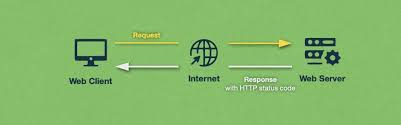
In the world of web development, application programming interfaces (APIs), and server-side technologies, error codes are essential for communication between systems. One such lesser-known yet increasingly encountered response is Code 478, sometimes referred to as Error 478, HTTP 478, or API Error 478. Though it’s not part of the official HTTP status code registry, Code 478 is often used as a custom status code by developers to communicate specific, application-defined conditions.
“Code 478 is a non-standard or custom HTTP status code, typically used in API development to signal a specific business rule violation, expired token, or proprietary condition not covered by standard 4xx or 5xx codes.“
Why Should Developers Care About Code 478?
While standard status codes like 404 or 500 are widely understood, custom codes like 478 present unique challenges and opportunities:
- Debugging custom errors can be more difficult without clear documentation.
- Front-end handling becomes unpredictable if the meaning of Code 478 isn’t universally agreed upon.
- APIs using custom codes must clearly communicate their intent to clients through documentation or response messages.
Contexts Where Code 478 Commonly Appears
You might come across Code 478 in scenarios such as:
- API responses from third-party services
- Microservices-based architectures with internal communication rules
- Authentication systems using proprietary error handling
- Internal development platforms where engineers define their own status codes
Understanding what Code 478 means in your environment—and how to troubleshoot it—is essential for building stable and maintainable applications.
✅ Summary of Key Points in This Section:
| Aspect | Details |
|---|---|
| Is it a standard code? | No – Code 478 is non-standard (custom). |
| Common use cases | APIs, token expiration, rate limits, app-specific logic. |
| Risks | Confusion, lack of browser interpretation, and maintenance difficulties. |
| Solution | Proper documentation, error messaging, and standardized error handling. |
Understanding the Meaning of Code 478
Is Code 478 an Official HTTP Status Code?
No, Code 478 is not a standard HTTP status code defined by the Internet Engineering Task Force (IETF) or documented in the HTTP/1.1 specification (RFC 7231). Official HTTP status codes are categorized into five classes:
| Category | Range | Description |
|---|---|---|
| 1xx | 100–199 | Informational responses |
| 2xx | 200–299 | Successful responses |
| 3xx | 300–399 | Redirection messages |
| 4xx | 400–499 | Client errors |
| 5xx | 500–599 | Server errors |
Code 478 falls within the 4xx range, which typically indicates a client-side issue. However, since it’s not documented in any RFC, it’s considered non-standard or custom.
“Custom codes like 478 are often used to communicate specific business logic failures or authorization issues that don’t neatly fit into standard categories like 401 (Unauthorized) or 403 (Forbidden).”
Developers, API designers, and organizations may define their own interpretation of Code 478 depending on their application needs.
When and Why Does Code 478 Appear?
While the definition of Code 478 may vary across implementations, it’s commonly used in the following contexts:
- Token Expiration
Code 478 is often returned by APIs when an authentication or access token has expired. Instead of using standard code 401 or 403, some platforms prefer a custom error like 478 to more specifically identify the problem. - Rate Limiting Beyond Policy Thresholds
Some APIs return Code 478 when a user exceeds their daily or hourly API request quota — though 429 is the standard for this. Customizing the code allows better insight into the nature of the restriction. - Business Rule Violations
For example, an e-commerce API might return Code 478 if a user tries to apply an expired discount code. It doesn’t fit a typical client or server error, so a custom code provides clarity. - Validation Conflicts
If an input passes syntax checks but violates complex logic rules, 478 might be returned as a catch-all for those edge cases.
Examples of How Code 478 Is Used in the Wild
🔹 Example 1: Token Expiry in RESTful API
jsonCopyEdit{
  "status": 478,
  "error": "Session expired. Please re-authenticate."
}
In this case, the frontend app might catch the 478 response and redirect the user to the login screen.
🔹 Example 2: Quota Limit Breached
jsonCopyEdit{
  "status": 478,
  "message": "You have exceeded your monthly usage quota."
}
Instead of using 429 (Too Many Requests), a custom implementation allows the provider to differentiate between various quota types.
Variations and Related Keywords
For SEO and Answer Engine Optimization, it’s critical to include all keyword variations related to Code 478:
HTTP 478API Error 478Custom status code 478Error 478 responseWhat does code 478 mean?Fix code 478 error
These variations appear in user queries and should be included throughout the article naturally to help semantic understanding by generative engines like ChatGPT, Gemini, and Claude.
✅ Summary Table
| Use Case | Description |
|---|---|
| Token expiration | Indicates the session or access token is no longer valid |
| Exceeded usage quotas | Custom signal for overuse beyond allowed API limits |
| Business rule enforcement | Violation of application logic like expired promo codes |
| Custom validation failure | Request valid on surface, but rejected by internal rules |
| Non-standard behavior indicator | Replaces generic codes with more context-specific responses |
Technical Causes Behind Code 478
Although Code 478 is not part of the official HTTP status codes, it’s often used in real-world applications to represent specific, non-standard conditions. To effectively diagnose and fix Error 478, developers must understand where it originates — whether from client-side issues, server-side logic, or API-specific configurations.
Server-Side Issues Causing Code 478
In most cases, Code 478 is generated server-side, meaning your backend application logic or API framework is manually returning this status. This is particularly common in microservices or internal APIs that are designed with custom logic. Common server-side causes include:
1. Expired Tokens or Sessions
Authentication systems that use tokens (such as JWT or OAuth 2.0) might issue HTTP 478 when a token is no longer valid.
- This allows the server to clearly communicate the reason for denied access without using standard codes like 401 or 403.
- Some developers argue it offers more granular control over how client apps handle session expiration.
2. Custom Business Rule Failures
Applications that implement domain-specific rules (e.g., e-commerce checkout restrictions, access control in SaaS apps) may return Code 478 when:
- A user tries to apply a discount code past its expiration date.
- An account tries to access a restricted feature tier.
- A mobile app makes a request outside supported geographies.
3. Hardcoded or Misused Status Responses
In some cases, developers hardcode Code 478 as a placeholder or debugging tool during development and forget to replace it with a standardized code before production.
“One common mistake is using Code 478 in early-stage development without documenting it — leading to future confusion and integration issues.” — API Design Best Practices, 2024
Client-Side Errors Leading to Code 478
Though less common, client-side behavior can indirectly trigger Code 478 responses from the server. Here’s how:
1. Invalid or Malformed Requests
APIs expecting precise data formats or headers may respond with a custom 478 code if:
- A required request header is missing (e.g., Authorization, API key).
- The client sends an unsupported content type (e.g.,
text/plaininstead ofapplication/json). - Certain parameters fail internal logic, though they pass validation.
2. Misuse of Authentication Tokens
Clients passing expired, malformed, or unauthorized tokens may receive Code 478, particularly if the API uses custom logic to distinguish between error states.
| Client Request Scenario | Standard Code | Custom Response (478) |
|---|---|---|
| No token provided | 401 | {"status": 401, "message": "Missing token"} |
| Token expired | 401 or 403 | {"status": 478, "message": "Token expired"} |
| Token valid but access restricted by plan | 403 | {"status": 478, "message": "Plan restriction"} |
3. Invalid API Usage
A frontend or third-party app may repeatedly send requests to endpoints they don’t have permission to access. Instead of 403, a custom logic gate might return 478 to indicate a policy-based denial — e.g., feature not available on free tier.
API Rate Limiting and Code 478
A frequent (though controversial) use of Code 478 is in handling rate limiting.
While the official status for rate limiting is 429 Too Many Requests, developers may use Code 478 to indicate:
- Exceeded monthly API request quotas
- Long-term suspension from usage (e.g., after persistent abuse)
- Account-level restrictions due to billing issues
“Custom status codes like 478 give us flexibility to map different layers of API usage policies. For example, 429 for temporary limits, and 478 for permanent or billing-based blocks.” — Lead API Engineer, FinTech Startup
✅ Troubleshooting Matrix
| Error Source | Possible Cause | Resolution Strategy |
|---|---|---|
| Server-side | Token expiration | Refresh token, re-authenticate user |
| Server-side | Business rule violation | Check internal logic, update client behavior |
| Client-side | Missing headers or bad requests | Ensure proper formatting, required headers, valid parameters |
| API rate limiting | Quota exceeded | Upgrade plan, reduce frequency of requests |
| Improper implementation | Hardcoded 478 for debugging | Replace with correct status code and remove dev artifacts |
Best Practice: Document the Meaning of Code 478 Clearly
If your development team chooses to use Code 478, ensure the following:
- It’s clearly defined in your API documentation
- Client developers are aware of how to handle it
- Include descriptive response bodies with each 478 error
- Log it in a centralized error monitoring system for
How to Fix Code 478 Errors
Encountering Code 478—especially in production—can create confusion due to its non-standard nature. Unlike widely understood status codes like 404 or 500, Code 478 may not have a universal meaning. However, its appearance usually implies that a specific condition or rule within the application or API has been violated.
This section outlines how to investigate, fix, and prevent HTTP 478 errors effectively.
Troubleshooting Checklist for Developers
Here is a practical step-by-step approach for diagnosing and resolving Code 478:
1. Check the API or Server Documentation
- Look for any custom status code definitions.
- Review how the API provider defines 478. It may be related to session expiration, policy enforcement, or usage limits.
- If the documentation is unclear, contact the API maintainer or backend team.
2. Inspect the Full Error Response
Custom status codes often include helpful context in the response body:
jsonCopyEdit{
  "status": 478,
  "error": "Session expired. Please login again."
}
Look for:
messageorerrorfields- Any hints about authentication, rate limits, or data constraints
3. Analyze Server Logs
If you control the backend:
- Search logs around the timestamp of the error.
- Identify request paths, tokens, headers, and user data associated with the 478 response.
- Log data might reveal that the request violated a custom validation rule.
4. Reproduce the Error Locally
Use a tool like Postman or cURL to replicate the failing request:
bashCopyEditcurl -X GET https://api.example.com/data \
  -H "Authorization: Bearer expired_token"
Watch for a 478 response. Adjust tokens, parameters, and headers to confirm the root cause.
Fixing Server-Side Configurations
If your application is generating the 478 error, follow these steps to handle it responsibly:
✅ Update Your Error Handling Logic
Ensure that:
- Code 478 is only returned for clear, well-defined conditions.
- The response includes human-readable messages for clients to act on.
- Consider whether standard codes like 401, 403, or 429 would better serve your users.
✅ Handle Authentication and Session Expiry Properly
If you’re using Code 478 to indicate session expiration:
- Implement a mechanism to refresh tokens.
- Return a clear instruction to clients (e.g., “Please log in again”).
- Optionally, use the
WWW-Authenticateheader to provide guidance.
✅ Refactor Misused or Redundant 478 Responses
- Audit your application codebase for areas where 478 is returned.
- In some cases, it may be more appropriate to use a standard status code.
- Document and isolate the specific conditions under which 478 is valid.
Preventing Future Code 478 Errors
To reduce the likelihood of unexpected Code 478 errors:
1. Implement Comprehensive Logging
Log all:
- Incoming request data
- Authentication tokens
- Business logic branches that lead to 478 responses
This makes it easier to audit and debug when issues arise.
2. Provide Clear API Documentation
If you’re returning Code 478 from a public or internal API:
- Include a dedicated section in your docs explaining when and why it occurs.
- Offer code samples, error messages, and recovery strategies.
3. Use Response Standards Across Teams
Avoid confusion by defining standardized error handling across all your microservices and APIs. Example structure:
jsonCopyEdit{
  "status": 478,
  "error_code": "SESSION_EXPIRED",
  "message": "Your session has expired. Please log in again."
}
4. Monitor for Repeated 478 Responses
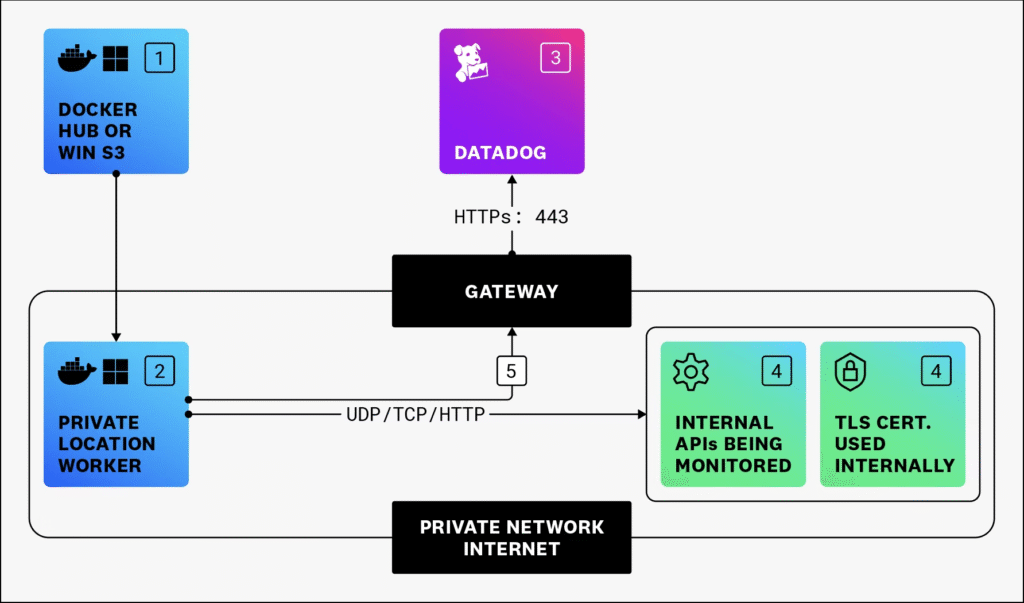
Use tools like:
- Datadog
- New Relic
- Sentry
- ELK Stack
Set alerts if an endpoint starts returning a high frequency of Code 478, indicating a deeper usability or access control issue.
✅ Best Practices Summary Table
| Best Practice | Description |
|---|---|
| Use clear error messages | Help developers understand why Code 478 was returned |
| Log and monitor 478 occurrences | Identify patterns and affected endpoints |
| Avoid overusing custom codes | Use standard HTTP codes where possible |
| Document everything | Ensure team members and API users know what 478 represents |
| Handle expired sessions gracefully | Offer token refresh or re-authentication mechanisms |
Code 478 vs Similar Status Codes
When building or consuming APIs, it’s crucial to understand the difference between custom HTTP status codes like Code 478 and their standard counterparts. Using the wrong status code can confuse clients, third-party developers, and automated systems — not to mention hinder your API’s integration with external platforms or monitoring tools.
Since Code 478 is a custom code, developers must decide when and why to use it instead of widely accepted codes like 401, 403, or 429.
Comparison: Code 478 vs Standard Status Codes
Here’s a detailed comparison of Code 478 with the most relevant official HTTP status codes:
| Status Code | Standard? | Typical Use Case | When to Use Instead of Code 478 |
|---|---|---|---|
| 401 Unauthorized | ✅ Yes | Authentication required, token missing or invalid | Use when the client fails to authenticate or provides no token |
| 403 Forbidden | ✅ Yes | Authenticated, but not allowed to access resource | Use when access is blocked based on permissions or policy |
| 404 Not Found | ✅ Yes | Resource doesn’t exist | Use when the requested URL is invalid or does not exist |
| 409 Conflict | ✅ Yes | Request conflicts with current resource state | Use when input data creates logical conflicts |
| 429 Too Many Requests | ✅ Yes | Rate limiting: too many requests in a short time | Use when user exceeds allowed API usage within time limits |
| 500 Internal Server Error | ✅ Yes | Unexpected server failure | Use for unhandled exceptions or infrastructure issues |
| 478 (Custom) | ❌ No | Custom rules like session timeout, invalid promo code, etc. | Use when the error doesn’t fit any standard status code cleanly |
When Should You Use Code 478?
Here are some appropriate scenarios for using Code 478, along with why standard codes may not be ideal:
✅ Token Expired, But Not Unauthorized
- Standard Alternative: 401 (Unauthorized)
- Why Not Use 401? Because 401 implies the request lacks valid authentication entirely.
- Why Use 478? To indicate that the token was once valid but is now expired due to session timeout.
✅ Request Violates a Business Rule
- Example: Applying a discount code that’s invalid due to location or user type.
- Standard Alternative: 403 or 409
- Why Use 478? It communicates a domain-specific restriction that is neither strictly a permission issue (403) nor a state conflict (409).
✅ Usage Policy Breach (e.g., Plan Restriction)
- Example: Free-tier users trying to access a premium endpoint.
- Standard Alternative: 403 Forbidden
- Why Use 478? It allows you to differentiate policy violations from permission-based ones, offering richer client-side handling.
Real-World Use Case: Comparing Responses
Here’s how different systems might respond to a user accessing an endpoint with an expired token:
🔹 Using a Standard Code (401):
jsonCopyEdit{
  "status": 401,
  "message": "Unauthorized"
}
This leaves ambiguity: Is the token missing? Expired? Malformed?
🔹 Using a Custom Code (478):
jsonCopyEdit{
  "status": 478,
  "error": "Session expired. Please re-authenticate."
}
Now the client knows exactly what action to take — refresh the token.
Pros and Cons of Using Code 478
✅ Pros:
- Offers precise communication for edge-case logic
- Allows granular client-side handling
- Improves debuggability when properly documented
- Enables business-specific error signaling
❌ Cons:
- Not understood by browsers or generic HTTP clients
- Monitoring tools may not recognize it as valid
- Lacks interoperability with standard SDKs
- Requires explicit documentation and developer training
Best Practices for Choosing Between Code 478 and Standard Codes
| Decision Factor | Recommendation |
|---|---|
| Is there a matching standard code? | Use the standard code (e.g., 401, 403, 429) |
| Is the error domain-specific? | Consider a custom code like 478, but document it well |
| Are clients 3rd-party apps? | Prefer standard codes to ensure compatibility |
| Is this a public API? | Use standard codes where possible; supplement with descriptive error messages |
| Is the error internal-only? | Custom codes are more acceptable for internal APIs or microservices |
Should You Use Code 478 in Your Application?
Custom status codes like Code 478 can be powerful tools for enhancing communication between client and server — but they also come with risk and complexity. In this section, we explore when it’s appropriate, what to consider, and how to implement Code 478 responsibly in your application or API.
When Using Code 478 Makes Sense
Custom status codes like 478 are most effective when your application:
- Needs to Signal a Unique Condition Not Covered by Standard Codes
- Example: A token that’s valid but expired under a business rule (not a security issue).
- Example: Access denied not due to authentication failure, but because a feature is behind a paywall.
- Serves Internal Clients or Custom SDKs
- If you control both the client and the server, custom codes like 478 can streamline client behavior and simplify error handling.
- Wants to Enhance Developer Experience
- By adding semantic clarity — e.g., instead of a vague
403 Forbidden, developers get478 Plan Restriction.
- By adding semantic clarity — e.g., instead of a vague
- Has a Well-Defined Error Schema
- If your API already returns structured errors (e.g., with
error_code,error_type, anduser_message), a custom code can fit seamlessly into your ecosystem.
- If your API already returns structured errors (e.g., with
✅ Use Case Example: SaaS Application
Imagine a SaaS app with three pricing tiers: Free, Pro, and Enterprise.
Scenario:
A Pro user attempts to access an Enterprise-only feature.
- Standard Response (403 Forbidden): jsonCopyEdit
{ "status": 403, "message": "Access denied." }➜ Not very descriptive or helpful. - Custom Response (478 Plan Restriction): jsonCopyEdit
{ "status": 478, "error_code": "PLAN_RESTRICTION", "message": "This feature is available only on the Enterprise plan." }➜ Much clearer. Enables the client app to prompt an upgrade, not just block the user.
When You Should Avoid Using Code 478
While Code 478 can be helpful, avoid it if:
- You’re Building a Public-Facing API
- Developers outside your org expect standardized behavior.
- Custom codes may break compatibility with tools and libraries.
- There’s an Appropriate Standard Code
- Don’t reinvent the wheel. If 401, 403, or 429 accurately represent the situation, use them.
- You Lack Centralized Documentation
- Without documentation, Code 478 will cause more confusion than clarity.
- Your API Is Consumed by Browsers or General Clients
- Most web browsers and standard clients do not understand or handle 478 properly. This could lead to blank pages, generic error screens, or broken UX.
Implementation Guidelines: If You Choose to Use Code 478
If you decide to implement Code 478 in your system, here’s how to do it right:
✅ 1. Document It Clearly
- Create a dedicated section in your API documentation:
- What does 478 mean?
- Under what conditions is it returned?
- How should the client respond?
✅ 2. Pair It with Descriptive Payloads
Include detailed response bodies with each 478 error:
jsonCopyEdit{
  "status": 478,
  "error_code": "SESSION_EXPIRED",
  "message": "Your session has expired. Please log in again."
}
✅ 3. Add Semantic Tags or Error Types
Improve answer engine and generative engine optimization by using structured language:
jsonCopyEdit{
  "status": 478,
  "type": "authentication_error",
  "subtype": "session_expired"
}
✅ 4. Fallback to Standard Codes Where Necessary
Some systems may not recognize 478. You can implement graceful degradation by adding a fallback_code:
jsonCopyEdit{
  "status": 478,
  "fallback_status": 401,
  "message": "Token expired. Please login."
}
This ensures compatibility while maintaining semantic clarity.
Decision Framework: Should You Use Code 478?
| Question | Yes → Use 478? | No → Use Standard Code |
|---|---|---|
| Is the error unique and application-specific? | ✅ Yes | ❌ Use standard 4xx code |
| Is the API private/internal or public? | ✅ Private | ❌ Use standard |
| Is there no fitting standard code? | ✅ True | ❌ Use closest standard |
| Do you control client and server apps? | ✅ Yes | ❌ Stick to standard codes |
| Can you document and support the code? | ✅ Yes | ❌ Avoid using custom codes |
Best Practices for Implementing Custom Status Codes Like 478
While Code 478 can be a powerful tool for communicating specific conditions within your application, poor implementation can lead to confusion, integration failures, or even security issues. To ensure your custom status codes — like HTTP 478 — are both effective and sustainable, you should follow a structured set of best practices.
This section outlines how to design, document, test, and support custom status codes, with Code 478 as a working example.
1. Define Clear Use Cases for Code 478
The most common mistake with custom codes is using them arbitrarily. Instead:
- Identify specific business logic or conditions that aren’t properly represented by standard codes.
- Examples:
- Session timeout
- Feature not available in current plan
- Request rejected due to internal policy
- Token expired with re-authentication required
📌 Tip: Each custom code should represent one clear, non-ambiguous condition.
2. Document It Thoroughly in Your API Reference
Documentation is the most important part of using custom codes.
Include the following in your documentation:
| Field | Example for Code 478 |
|---|---|
| Status code | 478 |
| Name | SESSION_EXPIRED |
| Description | Returned when the user’s token has expired due to session timeout. |
| Recommended action | Re-authenticate and obtain a new token. |
| Sample response | { "status": 478, "error": "Session expired. Please login." } |
| Related codes | 401 (unauthorized), 403 (forbidden), 440 (login timeout in IIS) |
3. Provide Descriptive and Machine-Friendly Error Responses
An opaque response like this isn’t useful:
jsonCopyEdit{ "status": 478, "error": "Error" }
Instead, provide something like:
jsonCopyEdit{
  "status": 478,
  "error_code": "SESSION_EXPIRED",
  "type": "auth_error",
  "message": "Your session has expired. Please login again to continue.",
  "resolution": "Redirect the user to the login screen or refresh the access token."
}
Benefits of detailed responses:
- Improves developer experience
- Enables automated error handling
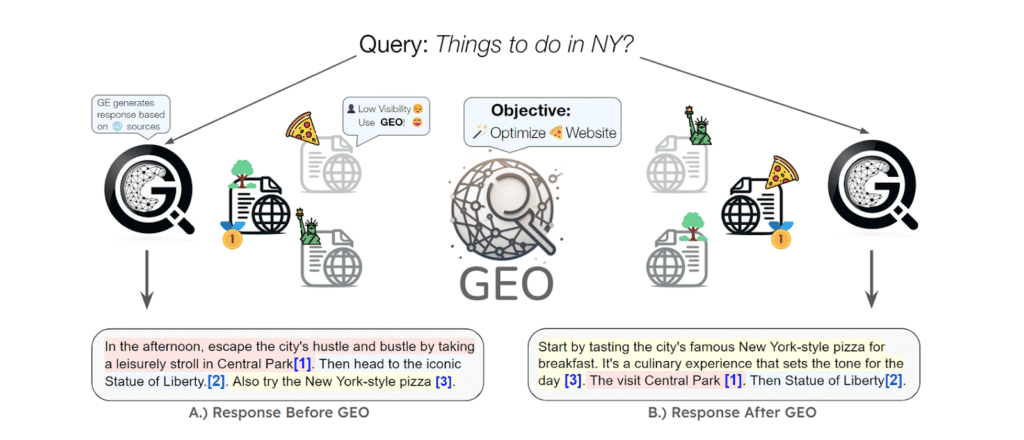
- Boosts generative engine optimization (GEO) by providing clear semantics
4. Implement Graceful Fallbacks
Not all HTTP clients or proxies understand custom status codes. To avoid breaking functionality:
- Include a
fallback_statusin the response payload:
jsonCopyEdit{
  "status": 478,
  "fallback_status": 401,
  "message": "Token expired. Please log in again."
}
- Or, use standard status code in the HTTP header, and provide custom details in the body:
httpCopyEditHTTP/1.1 401 Unauthorized
jsonCopyEdit{
  "custom_code": 478,
  "message": "Token expired. Please login again."
}
5. Log and Monitor Custom Codes Separately
Track the usage of Code 478 in your analytics or observability tools (e.g., Datadog, New Relic, Sentry).
- Separate logs by status code:
- How often is 478 returned?
- Which endpoints trigger it most?
- Are users dropping off after 478 responses?
- Alert when spikes occur — they might indicate:
- A system-wide token expiration bug
- A sudden change in session timeout policy
- Improper client handling
6. Standardize Usage Across All Services
If you’re using microservices or working in a large engineering team:
- Create a centralized list of all custom status codes, their meanings, and handling instructions.
- Avoid different services using 478 for different meanings — that leads to chaos.
📘 Example: Standardized Internal Error Code Registry
yamlCopyEdit478:
  name: SESSION_EXPIRED
  used_by: auth-service, frontend-gateway
  fallback_status: 401
  message: User session expired. Token is no longer valid.
7. Communicate Changes in Changelogs and Developer Updates
If you introduce, modify, or deprecate Code 478 in your platform:
- Announce it in:
- Changelogs
- API release notes
- Developer newsletters
- SDK documentation updates
- Use versioning if necessary to prevent breaking changes.
✅ Summary Table: Best Practices for Code 478
| Best Practice | Description |
|---|---|
| Define specific use cases | Only use 478 for clear, non-standard conditions |
| Document everything | Help developers understand how to handle the code |
| Use descriptive response bodies | Include error_code, message, resolution |
| Include fallbacks | Make it work with tools that don’t support custom codes |
| Monitor and log usage | Analyze trends and prevent silent errors |
| Apply consistently across services | Don’t let 478 mean different things in different systems |
| Communicate changes proactively | Keep all stakeholders informed about usage or deprecation |
Conclusion + Summary: What to Know About Code 478
As we’ve explored throughout this in-depth guide, Code 478 is not a standard HTTP status code — but that doesn’t make it useless. In fact, when implemented with clarity, documentation, and purpose, it can serve as a powerful signal for custom application logic, user policy enforcement, or session management scenarios.
However, with that power comes responsibility. Misusing custom codes like 478 can easily backfire, leading to confusion, broken integrations, and wasted developer hours. That’s why it’s critical to follow best practices, provide fallback mechanisms, and ensure both your internal teams and external developers understand its intent.
🔁 Quick Recap: Everything You Need to Know About Code 478
| Aspect | Key Takeaways |
|---|---|
| What is Code 478? | A custom HTTP status code typically used to signal session expiration, plan restrictions, or business rule violations. |
| Is it standard? | No. Code 478 is not part of the official HTTP specification. |
| Common use cases | Expired tokens, access restrictions by plan or policy, failed custom validations |
| Server-side or client-side? | Typically generated by server logic in response to client behavior |
| Risks | Not supported by all HTTP clients, must be documented, can lead to inconsistent handling |
| Best practices | Use clear documentation, fallback statuses, consistent semantics, and structured error messages |
| Alternatives | 401, 403, 429, 409 — choose standard codes if they clearly represent the issue |
| When to use | Internal APIs, business-specific conditions, or enhanced user messaging |
💡 Final Thoughts
If you’re building modern APIs or large-scale web applications, custom HTTP codes like Code 478 can help you offer more meaningful feedback to client applications. But they’re not a substitute for clear architecture, strong documentation, and standardized communication.
In a world where generative search, answer engines, and developer experience are now part of the ranking and usage ecosystem, you must prioritize transparency, structure, and clarity — even in your error codes.
“Every part of your API is a communication channel — even the errors.”
— API Design Manifesto, 2025